Black Mold Removal in Dartmouth, NS
Stachybotrys (black mold) needs careful containment and removal. We deal with it safely, source and all.
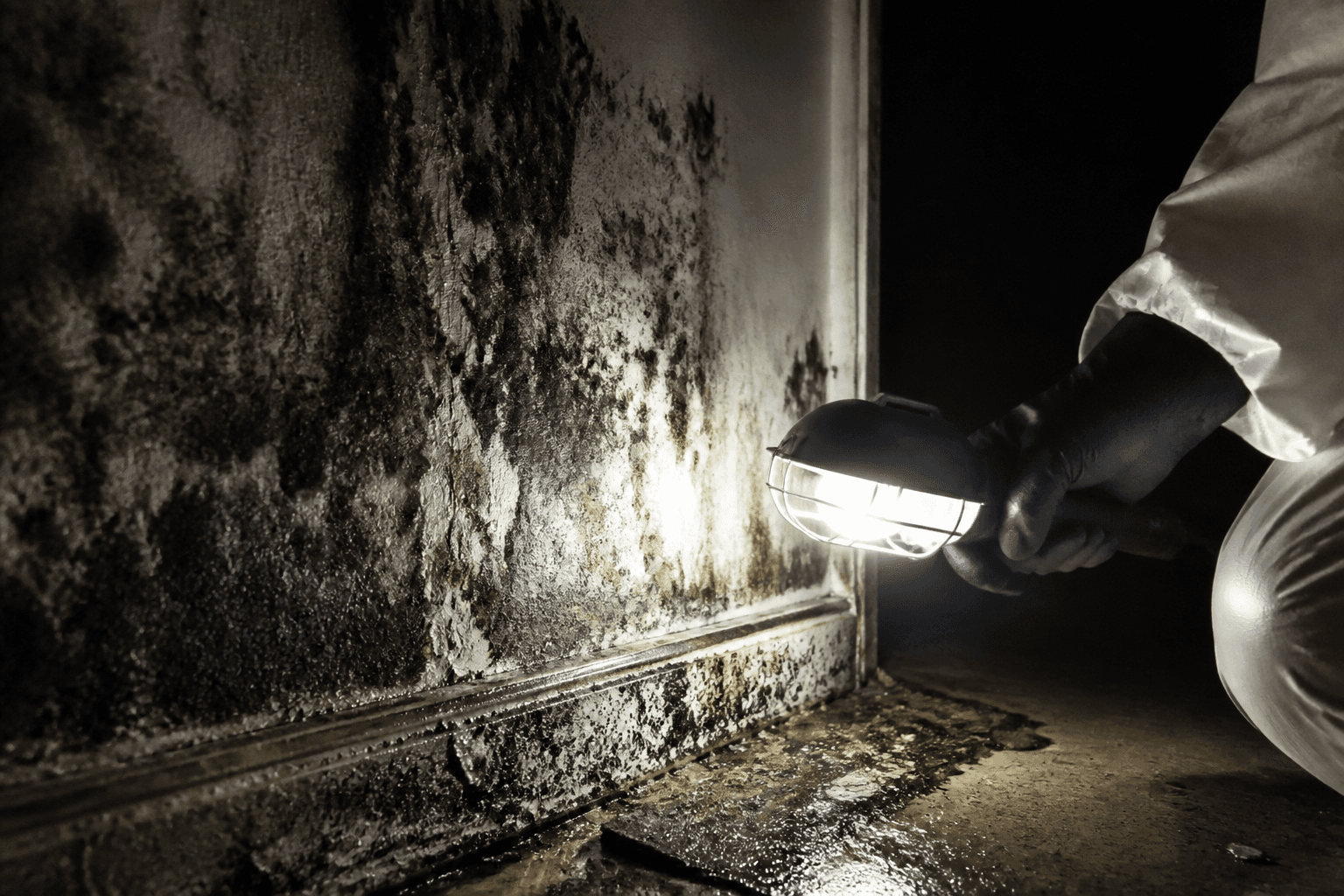
Black mold (Stachybotrys) is a darker, often slimy mold that grows on materials that have stayed wet for a while. It needs careful containment and removal. We remove it safely, treat the area, and deal with the moisture source so it doesn't return.
First, a myth worth busting: not every dark patch is toxic black mold, and not all black mold even looks black. The only way to know what you're dealing with is a lab test. If you've got dark, spreading growth, especially somewhere that's been wet, it's worth taking seriously.
Whatever the type, we treat it the same careful way. Black mold can release spores when it's disturbed, so we contain the area, wear proper protection, and use HEPA filtration the whole time. We don't scrub it and hope.
How we handle black mold
- Test first if you want confirmation of the mold type
- Full containment so disturbed spores don't spread
- HEPA air scrubbing during the entire removal
- Safe removal of affected drywall, trim, and materials
- Antimicrobial treatment of surrounding surfaces
- Find and fix the leak or moisture keeping it alive
Don't disturb it yourself
We get why people want to rip it out the second they see it. But disturbing black mold without containment spreads spores through the whole house and can make a small problem a big one. If you've found it, leave it alone and give us a call. We'll handle it properly.
Serving Dartmouth and the whole Halifax area
Dartmouth Water Damage Pros is based in Dartmouth and covers the surrounding communities. See all areas we serve →
Black Mold Removal: common questions
Can you tell if it's black mold?
Not by colour alone. Plenty of dark mold isn't Stachybotrys (the species people mean by black mold), and some problem molds don't look black at all. The reliable way to identify mold during a Dartmouth mold removal assessment is laboratory testing of a surface swab or air sample. We collect samples when needed, send them to a lab, and walk you through what the results mean for cleanup and whether full containment remediation is required.
How do I know if I have black mold (Stachybotrys) in my home?
Visual appearance alone isn't reliable. True Stachybotrys is a dark greenish-black, often slimy mold that appears on materials that have stayed wet for a long time: drywall, ceiling tiles, and wood with prolonged moisture exposure. But many other molds look dark, and colour isn't a diagnosis. A lab test of a surface swab is the only way to confirm it's Stachybotrys. If you've had a long-standing leak or flooded area and see dark mold, treat it as a serious find and call for a proper assessment.
What are the health symptoms of black mold exposure?
Symptoms vary by person, but common ones tied to mold exposure include persistent cough, congestion, itchy eyes, throat irritation, and headaches. A key signal is that symptoms improve when you leave the house and return when you're back. People with asthma, allergies, or compromised immune systems are more vulnerable. If your family has unexplained health complaints that track with time spent at home, a mold inspection in Dartmouth or Halifax is a smart next step.
How long does it take for black mold to grow after water damage?
Mold, including Stachybotrys, can begin growing within 24 to 48 hours of water damage in the right conditions. Stachybotrys specifically tends to establish on materials that have been wet for longer, often a week or more, which is why it's commonly found behind walls or under floors where a leak went undetected. In Nova Scotia's humid coastal climate, damp conditions are easy to maintain, so getting water damage dried quickly is the best defence.
Is it safe to stay in a house with black mold?
For most healthy adults, brief exposure to a small amount of mold is unlikely to cause serious harm, but it's not a situation to sit with long. Kids, elderly people, pregnant women, and anyone with respiratory conditions or a weakened immune system should leave until the mold is removed and the area is cleared. Even for others, prolonged exposure to elevated mold levels indoors is worth taking seriously. Get it assessed and removed properly.
Can I remove black mold myself?
For a very small patch on a non-porous surface like tile, yes. But if it's on drywall, wood, insulation, or anything porous, DIY removal usually spreads the problem. You need containment so spores don't travel to other rooms, HEPA filtration, proper disposal, and treatment of underlying materials. For anything beyond a small surface patch, especially in Dartmouth and Halifax homes where moisture problems tend to be inside walls or in basements, professional removal is the right call.
Got water damage or mold? Let's sort it out.
Call and tell us what's going on, or send a message and we'll get right back to you. Dartmouth's local restoration company covering the whole Halifax area.