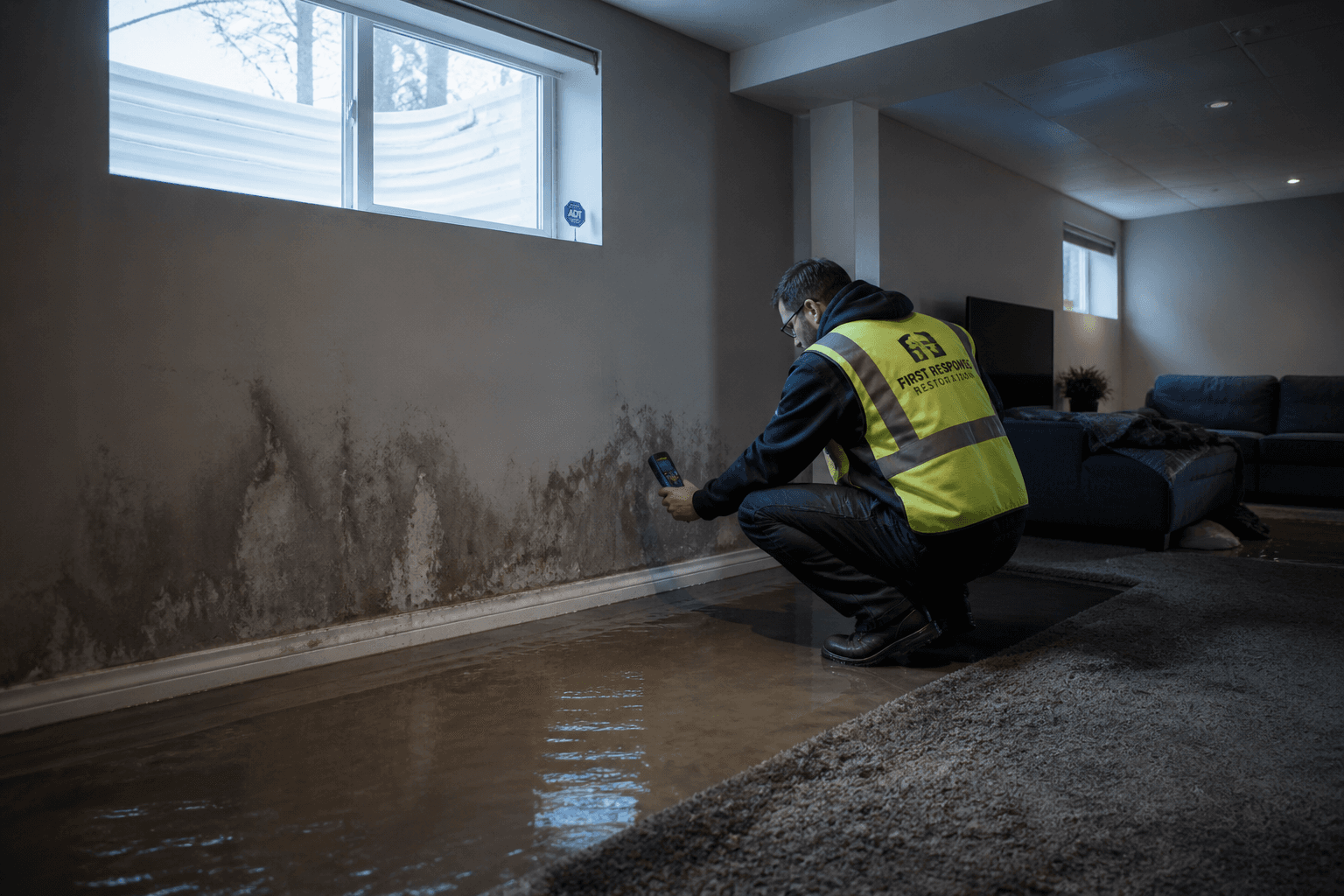
Search any mold question online and you'll hit a wall of scary headlines about toxic black mold. The reality is calmer and more useful. Telling black mold from ordinary household mold by sight alone is basically impossible, even for us, and the only sure answer comes from a lab. Here's what's actually worth knowing.
What people mean by black mold
When people say black mold they usually mean Stachybotrys chartarum, a greenish-black mold that grows on materials that have stayed wet for a while, drywall, ceiling tiles, wood. It tends to look dark and slightly slimy. The catch is that plenty of harmless molds are also dark, and Stachybotrys doesn't always look the way people expect.
Why you can't tell by colour
- Many common, low-risk molds are black, green, or grey
- Stachybotrys can look black, dark green, or even sooty
- Lighting and surface change how mold looks to the eye
- Only lab analysis of a sample identifies the species for certain
Does the type even matter?
Here's the practical part: from a removal standpoint, we treat all significant mold growth the same careful way. Any mold that's spreading on a wet surface needs the moisture fixed and the growth removed with proper containment. The species matters most for health questions, which is where air quality testing comes in.
If anyone in the house has unexplained allergy or flu-like symptoms, testing the air tells you what's actually floating around, instead of guessing from a photo.
Don't disturb it to get a closer look
The one thing not to do is scrub at it or rip it out to investigate. Disturbing mold, especially black mold, releases spores into the air and spreads a small problem through the whole house. In older Halifax homes with original plaster and damp basements, that spread can happen fast. If you've found dark growth, leave it alone and get it looked at properly.